
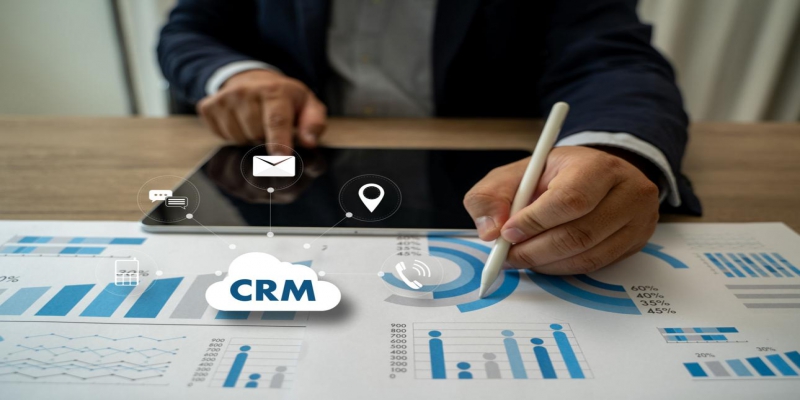
Enterprises are accelerating the transition from legacy SAP CRM systems to cloud-based solutions, as part of broader efforts to modernise IT infrastructure and support digital transformation strategies.
The shift reflects growing pressure on organisations to move away from on-premise systems that are often costly to maintain and difficult to scale. According to recent data from Gartner and IDC, over 70% of enterprise applications are expected to run in the cloud or hybrid environments, highlighting the pace of transformation across corporate IT landscapes.
SAP’s cloud CRM offerings—part of its Customer Experience (CX) suite—are increasingly being adopted as companies seek greater flexibility, faster deployment and improved integration with modern digital tools. Solutions such as SAP Sales Cloud and Service Cloud allow organisations to manage customer interactions across multiple channels while centralising data in cloud environments.
Legacy SAP CRM systems, widely used in large organisations over the past two decades, are now presenting significant challenges. These include limited scalability, complex customisations and difficulties integrating with newer technologies such as AI and real-time analytics. As a result, many businesses are prioritising migration as a strategic initiative.
Industry estimates suggest that more than 60% of organisations using legacy CRM systems are actively planning or undergoing cloud migration projects, reflecting a widespread shift towards modern architectures. This transition is particularly evident in sectors such as manufacturing, retail and financial services, where customer engagement is becoming increasingly data-driven.
Cost efficiency is a key driver. Maintaining legacy systems often involves significant expenditure on hardware, licensing and specialised support. Cloud-based CRM platforms, by contrast, operate on subscription models that can reduce upfront costs and provide more predictable spending. According to consultancy reports, organisations migrating to cloud CRM can achieve cost reductions of between 15% and 30% over time, depending on scale and implementation.
Integration is another critical factor. Modern CRM systems must connect seamlessly with other enterprise platforms, including ERP systems such as SAP S/4HANA, marketing automation tools and data analytics platforms. Cloud solutions are designed to support these integrations more effectively, enabling organisations to create unified data ecosystems.
However, the migration process is complex. Data migration, system integration and process redesign require careful planning and significant investment. Organisations must also address challenges related to data quality, governance and user adoption. In many cases, migration projects span several months or even years.
Security and compliance considerations are also central to decision-making. With increasing regulatory requirements, including UK GDPR, organisations must ensure that customer data is protected throughout the migration process and within cloud environments. SAP and other vendors are investing in advanced security features, but responsibility remains shared with customers.
The shift is also impacting workforce skills. Demand is rising for professionals with expertise in cloud architecture, data integration and CRM implementation. Traditional roles focused on maintaining legacy systems are evolving towards more strategic and technical positions.
Despite the challenges, the benefits of cloud CRM are driving continued adoption. Faster innovation cycles, improved scalability and enhanced user experience are among the key advantages cited by organisations that have completed migration projects.
Competition in the CRM market is further accelerating this trend. Vendors are continuously enhancing their cloud offerings, introducing new features and capabilities to attract enterprise customers. This is creating a dynamic environment where organisations must balance innovation with stability and cost considerations.
Looking ahead, analysts expect the transition from legacy to cloud CRM systems to continue at pace. Hybrid approaches—where some systems remain on-premise while others move to the cloud—are likely to play a role in managing this transition.
For enterprises, the move towards SAP CRM cloud solutions is not simply a technological upgrade but a strategic shift. It reflects a broader transformation in how organisations manage customer relationships, leverage data and compete in an increasingly digital marketplace.