OVERVIEW
Studying DIGITAL JOURNALISM in the UK
Digital Journalism has rapidly transformed into one of the most dynamic and fast-moving disciplines within UK higher education. Responding to the rise of digital platforms and changing audience habits, these programmes prepare students to master a wide range of journalistic tools and techniques. From multimedia production and data-driven reporting to podcasting and live digital broadcasting, learners gain the technical and editorial skills necessary for twenty-first-century journalism. Alongside practical training, the curriculum addresses vital issues such as press freedom, ethics, misinformation, and media regulation, ensuring that graduates can balance innovation with responsibility.
What distinguishes Digital Journalism programmes in the UK is their blend of academic depth with hands-on newsroom experience. Students participate in simulations, internships, and collaborative projects with professional outlets, gaining real exposure to the pressures and pace of digital newsrooms. By engaging with industry-standard tools, learners build strong adaptability to emerging technologies such as AI-driven content analysis and audience analytics. With digital platforms continuing to redefine how societies consume news, graduates are prepared to enter careers in established media houses, digital start-ups, and independent content creation, making them essential contributors to the future of journalism.
Assessment Approach
To establish the leading Digital Journalism programmes, we focus on a range of academic and professional factors. Curriculum relevance is key, particularly the integration of digital storytelling, data journalism, and audience engagement strategies. The expertise of teaching staff, often with backgrounds in professional journalism, ensures that students benefit from both academic and industry perspectives.
Employability outcomes are carefully reviewed, including graduate success rates in newsrooms, media agencies, and freelance careers. We also consider access to cutting-edge tools and facilities, industry partnerships, and opportunities for internships and collaborative projects. By combining these elements, the ranking highlights programmes that not only educate journalists but also prepare them to innovate responsibly in a constantly evolving media landscape.
✓
HOW WE RANK
Methodology and ranking criteria
Our ranking considers academic quality, specialist expertise, course choice, institutional reputation and the opportunities available to postgraduate students. It is designed to help you compare leading UK institutions and identify the option that best matches your goals.
THE RANKING
Top institutions for DIGITAL JOURNALISM
1 institutions
#1
This Digital Journalism programme trains students to create, curate, and distribute content across multiple digital platforms while upholding professional standards of accuracy and ethics. Through workshops, newsroom simulations, and exposure to industry tools, learners gain proficiency in multimedia storytelling, data journalism, and audience engagement strategies. The curriculum emphasises adaptability to emerging technologies, critical analysis of media trends, and responsible reporting in a fast-paced digital environment. Graduates are equipped to pursue careers in news organisations, independent media, and content production, shaping the future of journalism in the digital age.
✅ Trends and Employment
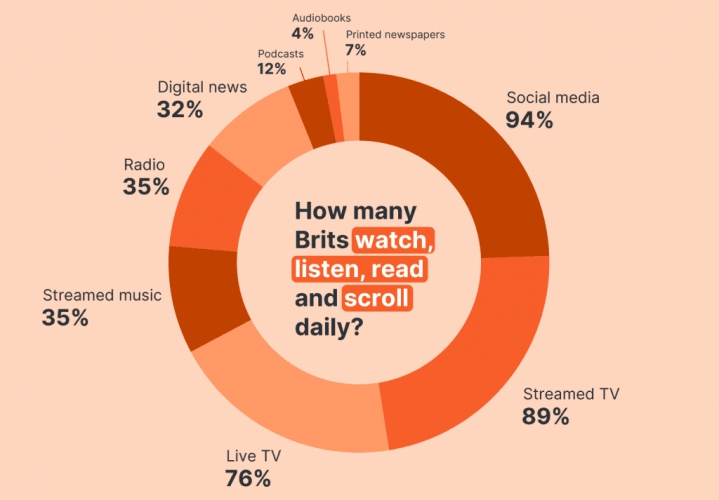
Digital journalism education in the UK is characterised by its adaptability and responsiveness to the rapidly changing media landscape. The following statistics provide insight into the current state of digital journalism and its impact on the media industry:
-
Digital News Consumption: In the UK, 32% of individuals aged 18–24 identify social media as their primary source of digital news, a significant increase from 18%. (Reuters Institute)
-
Online News Platforms: Research by Ofcom indicates that 71% of UK adults obtain news online, slightly surpassing the 70% who still rely on television as their primary news source. (Financial Times)
-
Digital Revenue Growth: The Guardian Media Group reported that digital revenues now represent 72% of total income, with digital reader revenues surging by 21.7% to £107.3 million. (The Guardian)
-
Social Media Usage: The UK had 57.10 million social media users in January 2023, equating to 84.4% of the total population. (DataReportal – Global Digital Insights)
-
Employment in the Digital Sector: The Digital Sector accounted for 5.2% of the UK's filled jobs in 2024, down from 5.6% in 2023. (GOV.UK)
-
Media Sector Employment: Over 313,000 people were employed in the UK's media and entertainment sector in 2023, highlighting the sector's significant contribution to the economy. (prospects.ac.uk)