OVERVIEW
Studying GRAPHIC DESIGN in the UK
Graphic design is a creative profession at the intersection of art, communication and technology. Its primary purpose is to convey messages visually through print and digital media, using typography, colour, imagery, layout and composition to engage audiences, solve problems and strengthen brand identities.
Graphic designers develop visual concepts for a wide range of media from advertising campaigns, packaging and corporate branding to websites, apps, social media, motion graphics, signage and editorial design. In an increasingly visual and digital world, the importance of graphic design continues to grow as organisations seek to communicate clearly and memorably with customers, stakeholders and the public.
The profession combines artistic creativity with strategic thinking; designers must understand client needs, audience behaviour and market context, while mastering industry-standard software such as Adobe Photoshop, Illustrator and InDesign.
In the UK, graphic designers work across various sectors including advertising agencies, tech companies, publishing, media and entertainment, retail and freelance practice. Many designers begin their careers with a foundation in art and design, progressing through a bachelor’s degree in graphic design, visual communication or a related field, followed by portfolio development and professional experience.
A strong portfolio showcasing technical skill, creativity and problem-solving ability is often more important than formal qualifications alone, especially for freelance and contract roles.
✓
HOW WE RANK
Methodology and ranking criteria
Our ranking considers academic quality, specialist expertise, course choice, institutional reputation and the opportunities available to postgraduate students. It is designed to help you compare leading UK institutions and identify the option that best matches your goals.
THE RANKING
Top institutions for GRAPHIC DESIGN
4 institutions
#1
The University of Brighton is a public university located on the south coast of England, with multiple campuses across Brighton, Eastbourne, and Hastings. Founded originally in 1858 as the Brighton School of Art, it acquired university status in 1992, and has grown since then in size, scope and reputation.
It offers a wide portfolio of undergraduate, postgraduate and doctoral programmes in fields such as pharmacy, engineering, ecology, computing, architecture, journalism, teaching, health and social sciences. The university emphasises practical, hands-on learning with professional recognition in many of its courses.
#2
We look forward to welcoming our next cohort of students! Here at Falmouth, theres so much to look forward to. We are not just responding to the world around us; we are shaping it.
With over a century of art school heritage behind us, our students are pushing forward, fusing the magic of creativity with the power of technology to imagine, collaborate, innovate and evolve.
#3
The University of Edinburgh is a public research university located in Edinburgh Scotland United Kingdom. It was founded in 1582 by a royal charter and opened shortly thereafter it is one of the most ancient and prestigious universities in the English speaking world. It offers a wide range of undergraduate and postgraduate programmes across disciplines including medicine law sciences arts humanities engineering and social sciences with a significant reputation for research excellence and intellectual leadership.
The campus includes historic buildings such as Old College as well as modern teaching facilities laboratories libraries and halls of residence. The university attracts students and scholars from across the world emphasising global collaboration inclusion and innovation. Its location in Edinburgh provides a rich cultural environment scenic beauty and strong academic traditions combining heritage and contemporary learning opportunities.
#4
Whoever you are, wherever you¿re from, you can expect a warm welcome at the University of Lancashire. You¿ll be joining a thriving community of over 42,000 students and staff from more than 100 countries. This makes our university a vibrant place to learn, connect with new people and have fun. We¿re proud of our Lancashire spirit and you¿ll notice how approachable and supportive everyone is here. You¿ll soon feel right at home.
✅ Trends and Employment
Freelance Balance, Digital Demand and Career Mobility
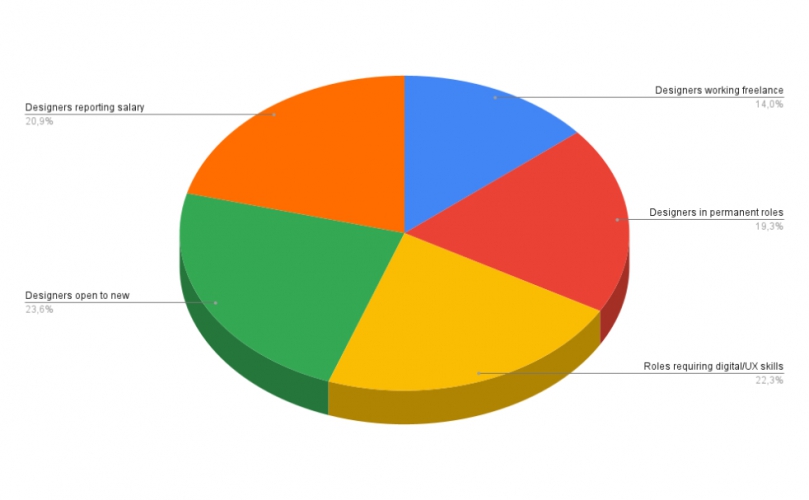
A clear majority of designers remain in permanent roles (58%), indicating that traditional employment continues to play an important role within the sector. At the same time, a substantial 42% work on a freelance basis, reflecting the flexibility and project-based nature that increasingly defines creative careers. This balance between permanent and freelance work underlines how graphic designers often combine stability with adaptability, responding to fluctuating demand across industries.
The chart also reveals strong signals around skills and career sentiment. A significant 67% of roles now require digital or UX-related skills, confirming the shift towards digital-first design, user experience and cross-platform visual communication. In parallel, 71% of designers report being open to new opportunities, suggesting high levels of mobility and competition within the profession. However, this is set against the reality that 63% report salary pressure, largely driven by cost-of-living increases and competitive market conditions. Together, these indicators portray a UK graphic design sector that is digitally driven, highly flexible and opportunity-oriented, yet increasingly conscious of earnings and long-term career sustainability.


