

An Introduction to Information Security 003 At Home
This course will help you to understand the legislation relating to information security and the steps you and your organisation should take to manage......
View programmeWelcome to POSTGRADCOURSES — Connecting students with outstanding postgraduate programmes.
Postgraduate study insights
Hospitality and tourism stand as two of the most influential and fast-moving industries worldwide. Together, they provide millions of jobs, contribute significantly to economic growth, and create opportunities for international collaboration. Training in hospitality and tourism has therefore become an essential foundation for those who aspire to build a sustainable career. Traditional skills such as customer service and operations remain vital, yet employers increasingly look for professionals capable of combining these abilities with digital expertise, cultural intelligence, and a strong focus on sustainability.
The evolving global landscape has pushed universities, colleges, and vocational providers to rethink their curricula. Courses are now designed to reflect not only the demands of today’s employers but also the expectations of future travellers and consumers. This shift highlights the importance of innovation, flexibility, and lifelong learning as cornerstones of hospitality and tourism training.
The integration of technology has reshaped the learning experience for future professionals. Hospitality and tourism programmes now feature specialised modules in areas such as digital marketing, data analytics, online booking systems, and revenue management. Students gain hands-on practice with industry-standard platforms, enabling them to respond to customer needs in real time and to manage business performance more effectively.
Virtual simulations, e-learning platforms, and blended learning opportunities have expanded access to training, offering flexibility for both full-time students and working professionals. This approach not only increases participation but also ensures that training is relevant to the digital reality of the industry. As travellers increasingly rely on mobile applications, online reviews, and personalised digital experiences, graduates trained in these areas bring a competitive advantage to the workplace.
Sustainability has moved from being a trend to becoming a defining principle of hospitality and tourism. Training providers have recognised this shift, embedding topics such as sustainable supply chains, waste reduction, resource efficiency, and green certifications into their programmes. Graduates who understand how to balance profitability with environmental responsibility are highly sought after, as companies strive to meet both customer expectations and international standards.
In addition to technical knowledge, tourism develops a wide range of transferable skills. Adaptability, leadership, cultural awareness, and teamwork are critical in industries defined by constant human interaction and global mobility. Employers value professionals who not only manage operations effectively but also inspire innovation and resilience within their teams.
The scale of hospitality and tourism demonstrates the importance of structured education and professional training:
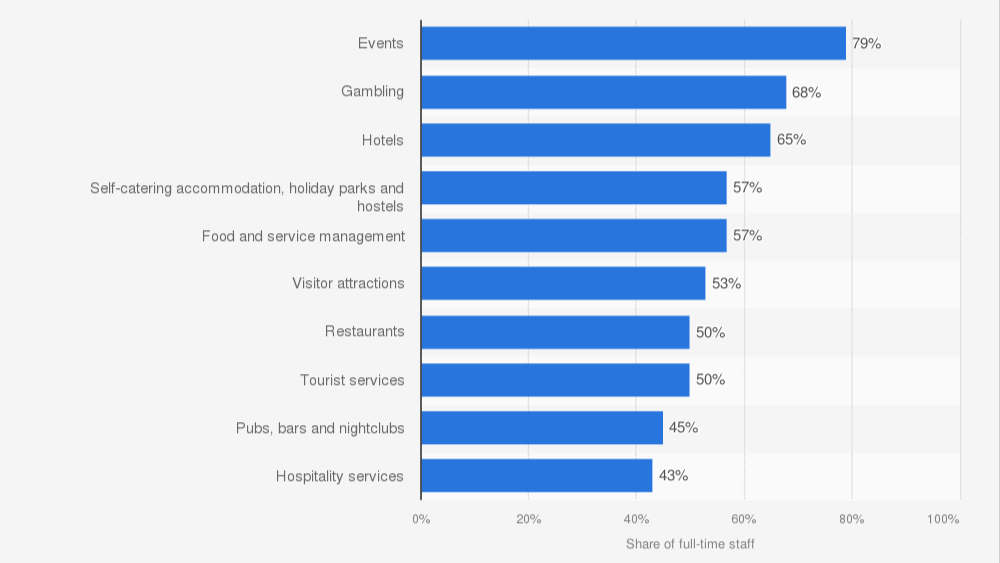
The future of tourism goes beyond initial qualifications. Continuous education is now essential, whether through short courses, professional certificates, postgraduate education, or online modules tailored to industry developments. This lifelong learning approach ensures professionals remain adaptable, employable, and ready to address the challenges of a rapidly changing marketplace.
By investing in training, learners not only enhance their own career prospects but also contribute to the long-term success and sustainability of the sector. As the industry grows in complexity and global reach, well-prepared professionals will continue to play a decisive role in shaping its future.
Continue exploring

This course will help you to understand the legislation relating to information security and the steps you and your organisation should take to manage......
View programme
An all-encompassing one-day course that gives you all the tools to become a confidant and motivational manager in the Leisure industry....
View programme
Learn how to become a hotel professional Do you want to have access to a wide range of professional sectors in the hospitality industry? We offer the Hospitality Management course. The ICI gives its students the opportunity to receive knowledge in the industry of their choice to increase their valu...
View programme
Computing is a creative and wide-ranging subject that focuses on using sound underlying principles and logical thinking to design and build systems that really work. This general programme offers you a wide range of module choices as you progress, allowing you to study your areas of interest. In t...
View programme
This Business and Management (Tourism Management) course gives you a grounding in the theory and practice of business in the context of contemporary tourism. You'll cover a broad range of topics including marketing strategy, and take a sociological approach to tourism. You’ll also open up your thi...
View programme
During this one-day Enhancing Digital Engagement in Tourism course, you’ll explore how digital engagement, particularly through online reviews, can be leveraged to enhance customer satisfaction, drive bookings, and build long-term loyalty for your business, drawing from research led by Dr Li Li. R...
View programme